IT|EN
MUSEUM OF
AGRICULTURAL CIVILIZATION
COUNTRY LIFE, ART & CRAFT
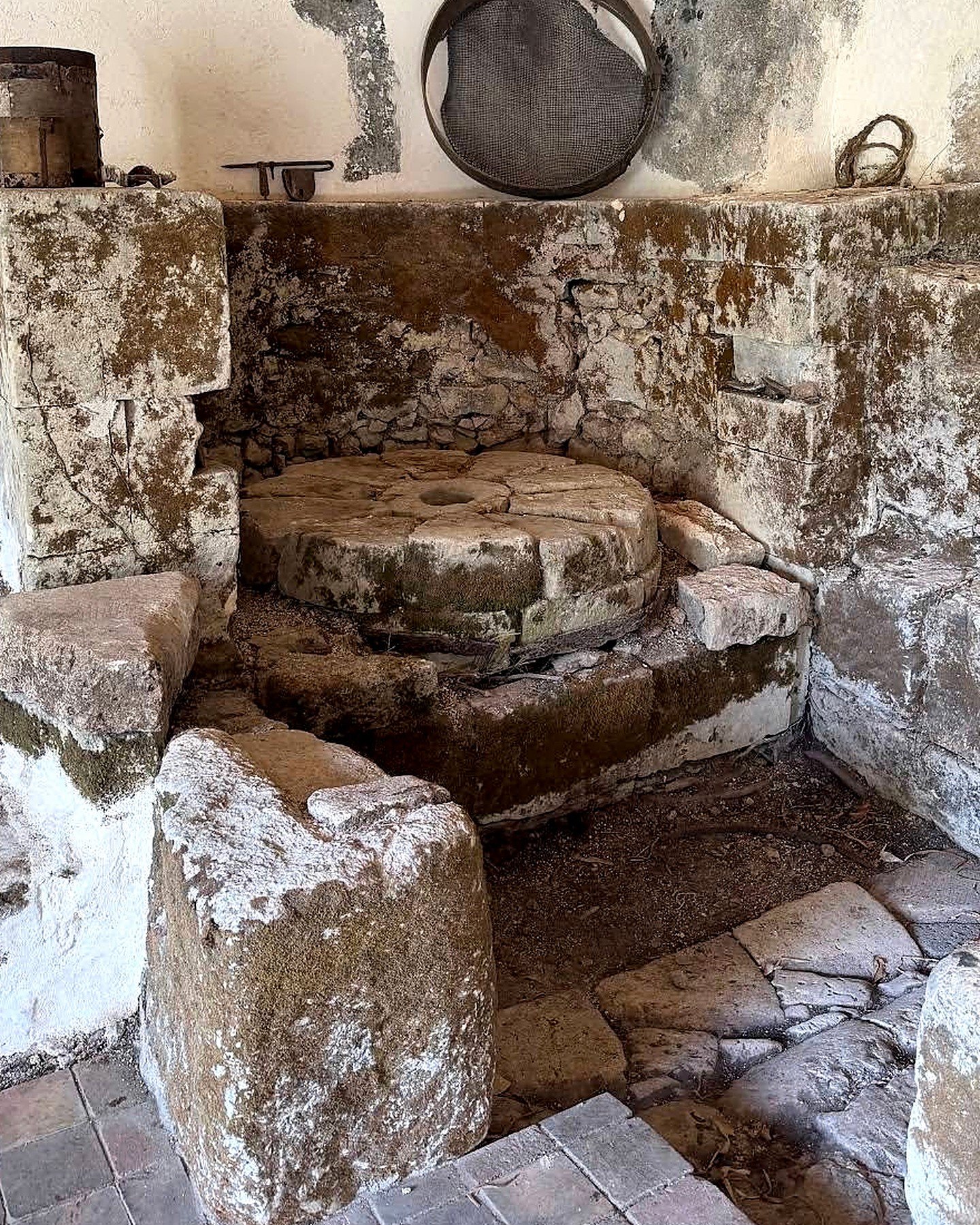
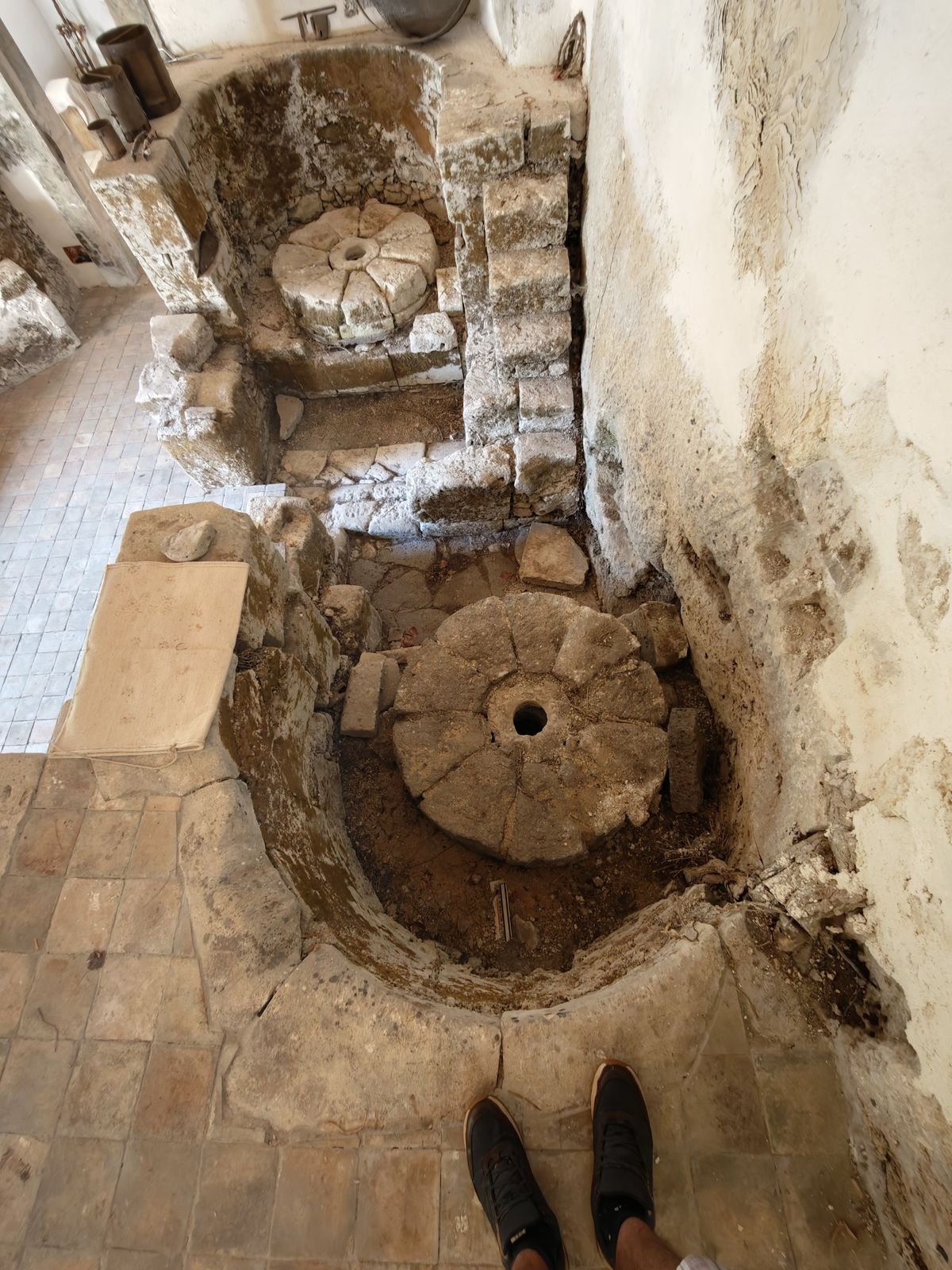
The millstone in its curved stone bed, seen from the floor above
THE WATER MILL · 1700s

Resting, since the water stopped.

The building we see dates from the 1700s, over foundations of far older origin, Roman and perhaps Greek. The water no longer flows, so the stones no longer turn.

THE OLD STONE

The old stone, brought back to light.

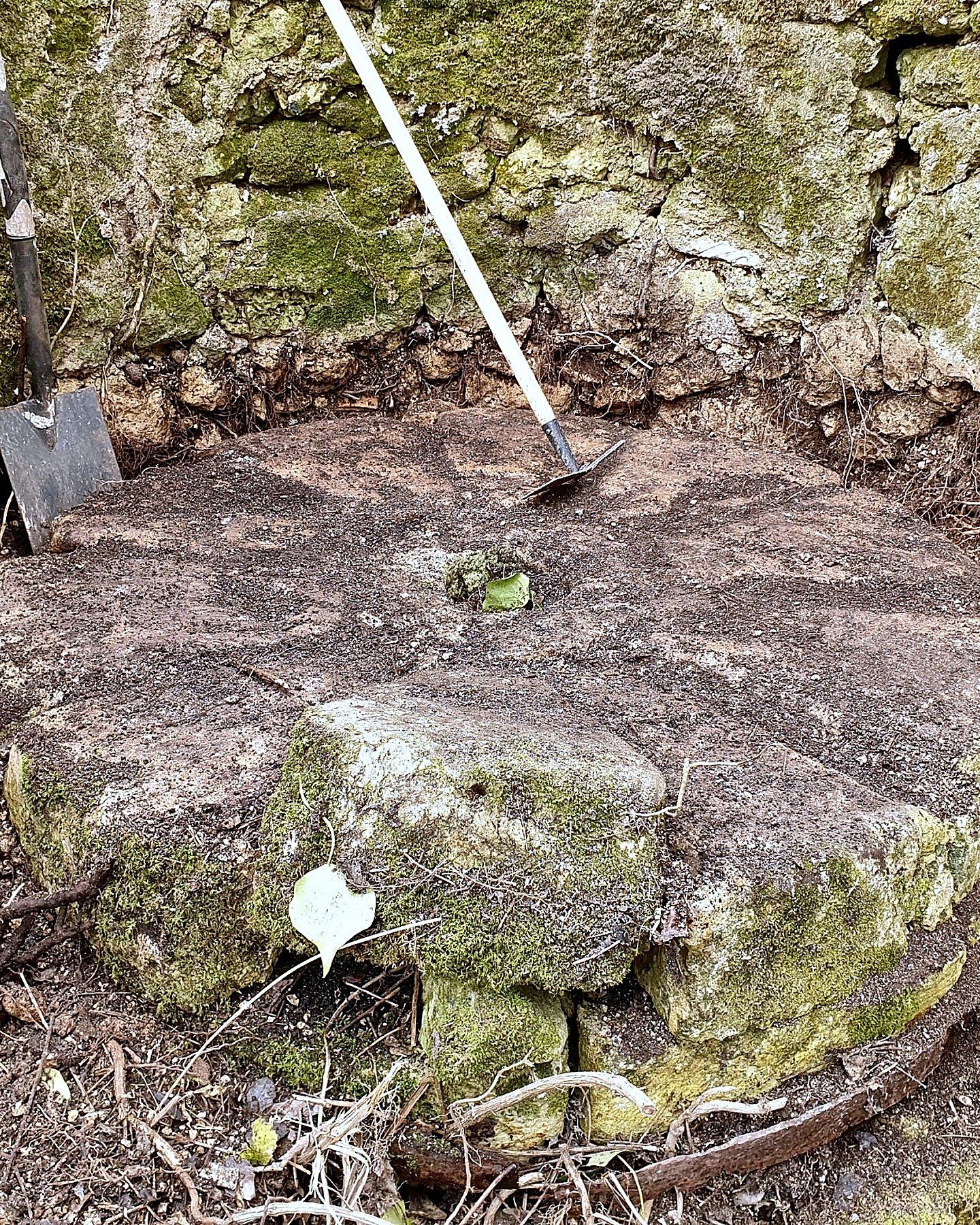
The millstone of the water mill lay under plants and soil. It was uncovered and cleaned by hand. It no longer turns, but it is the oldest working memory of the house.
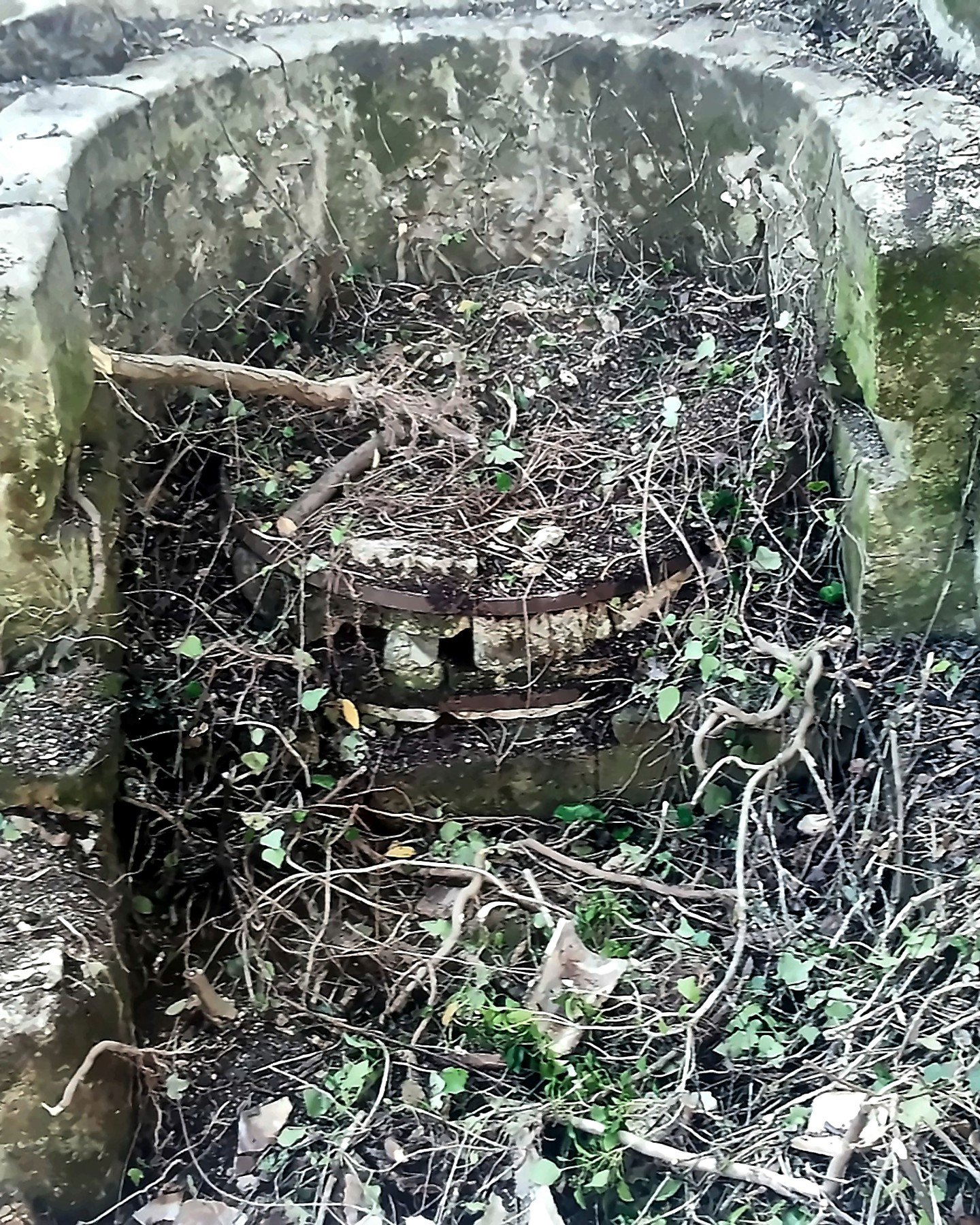
The millstone in its stone bed, hidden under branches, ivy and leaves
IUNDER THE PLANTS
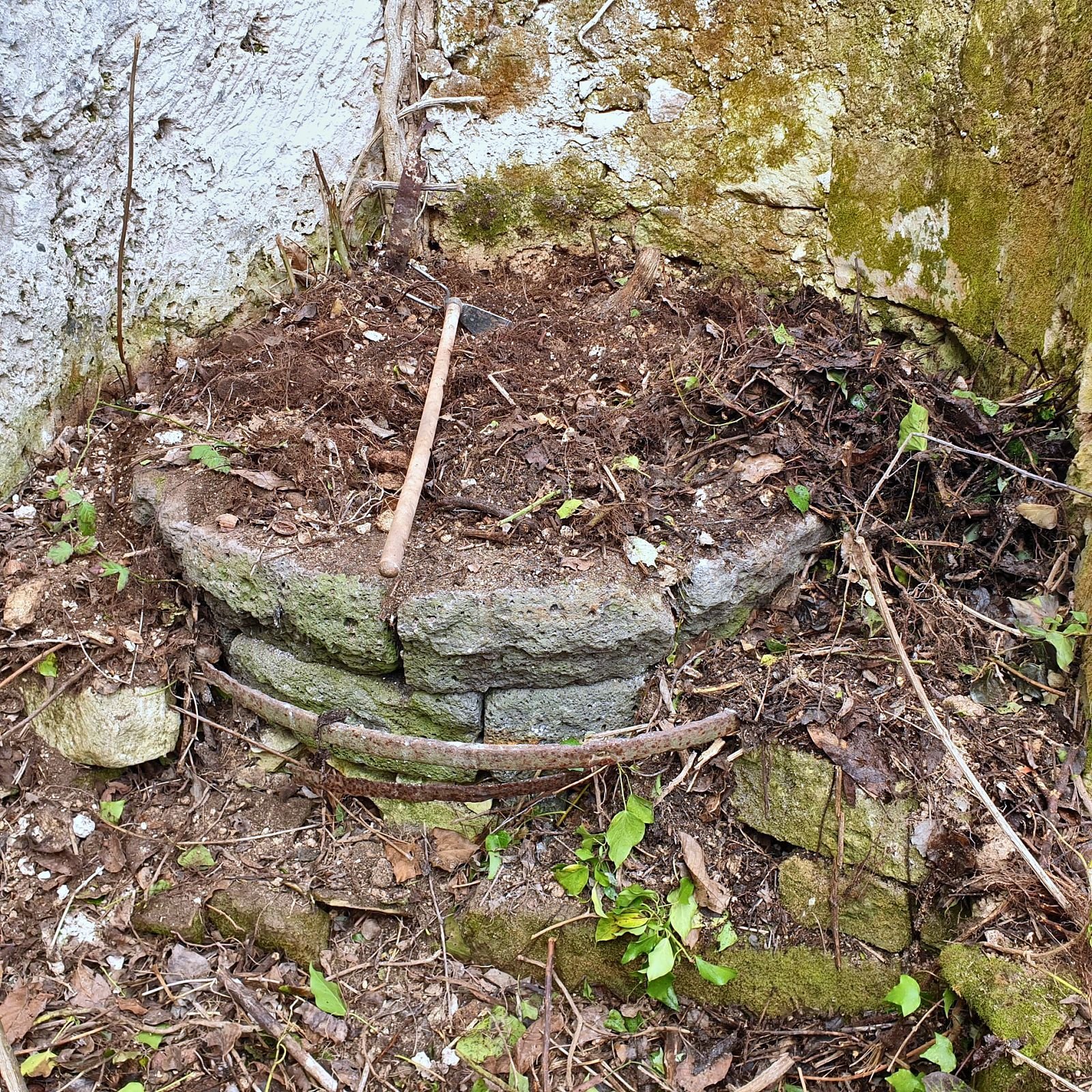
The millstone uncovered but still coated in soil, with a spade and a hoe beside it
IIUNDER THE SOIL
The millstone cleaned, resting in its stone bed inside the mill
IIICLEANED
THE HISTORY

Found under ivy and earth.

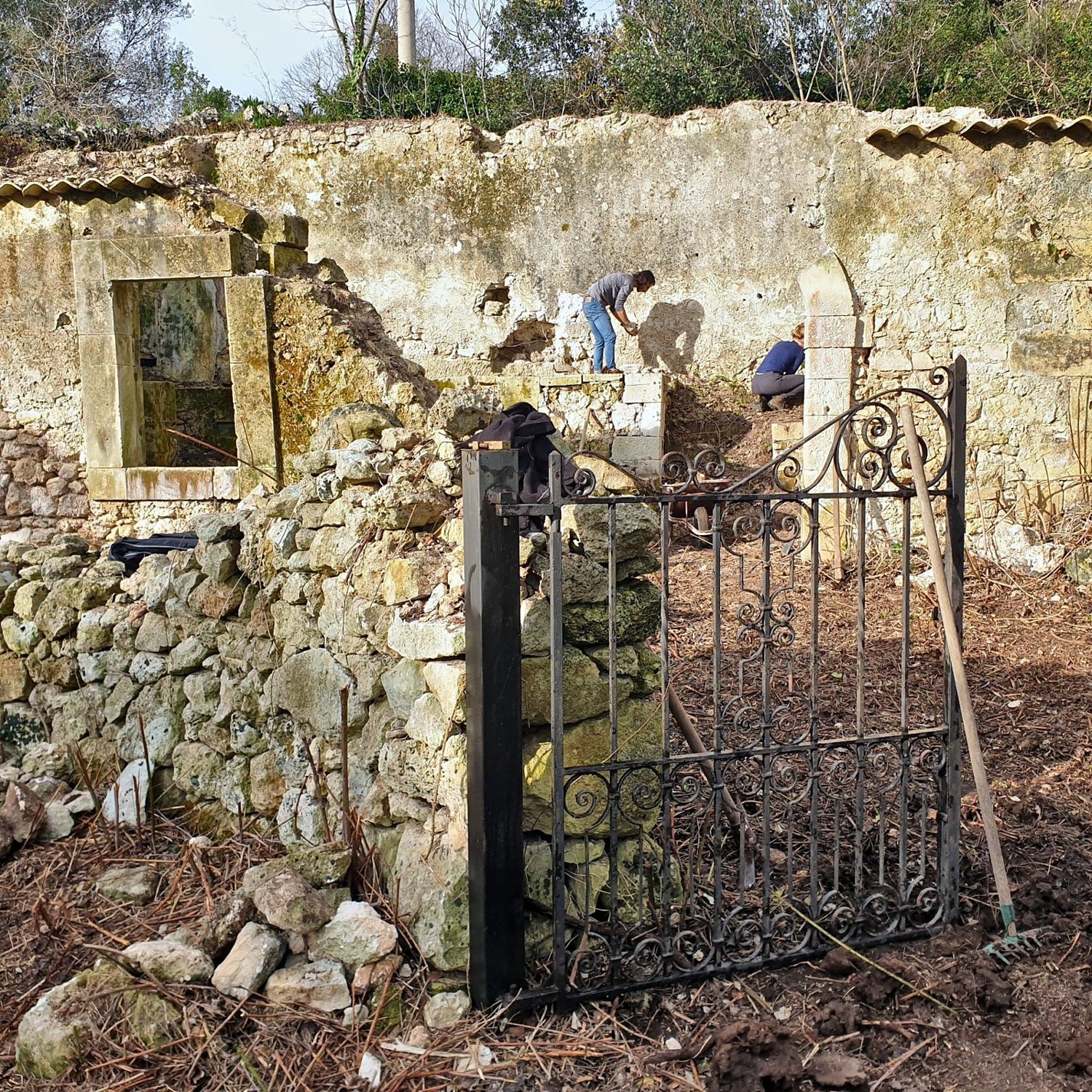
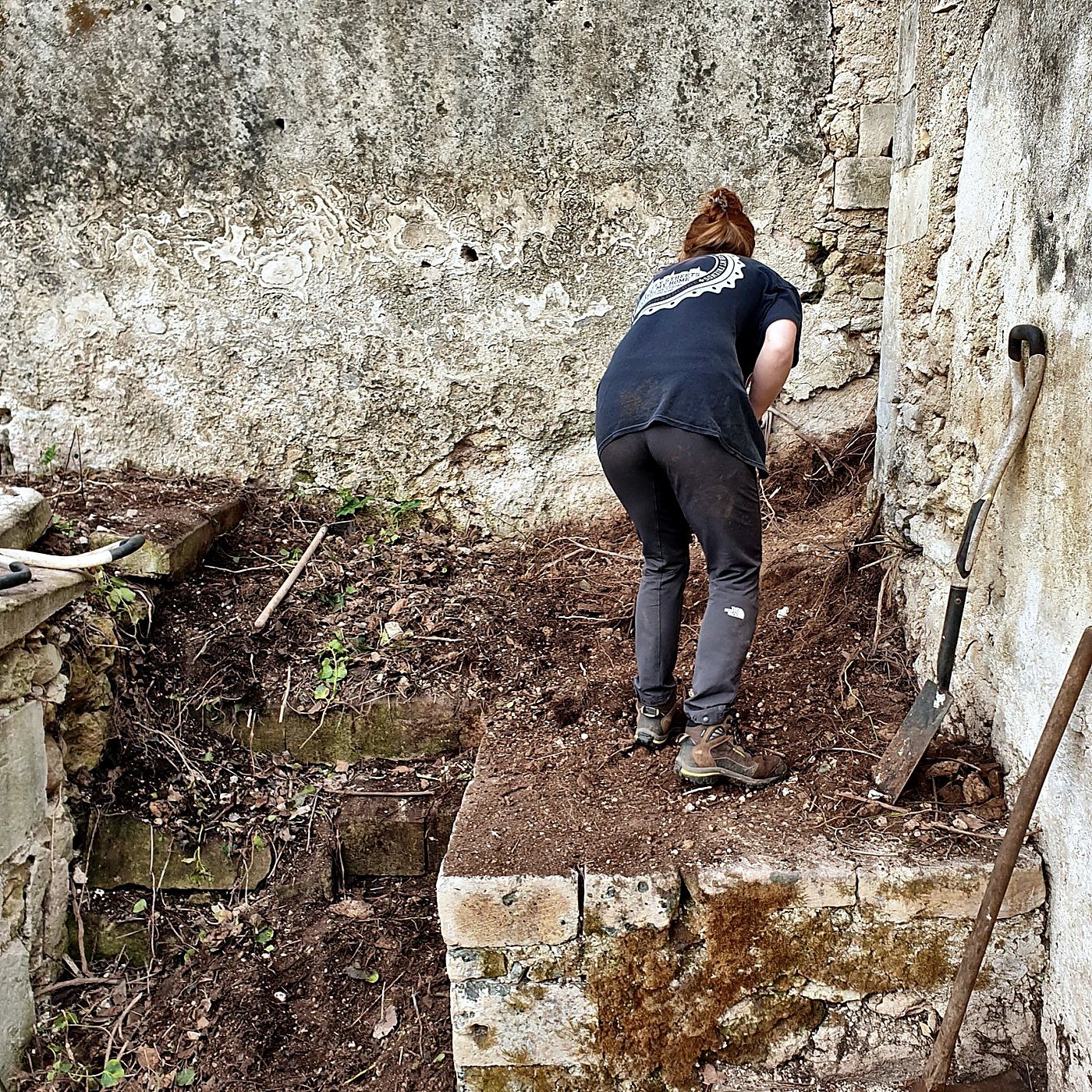
The water mill had disappeared into the hillside. It was drawn, measured and cleared by hand, one wheelbarrow at a time, until the stones came back into the light. The building is from the 1700s, over a system probably laid by the Romans and the Greeks.
THE MILL IN ELEVATION, DRAWN BY HAND AT 1:100
The courtyard wall and iron gate while the ruin is being cleared
I · CLEARED BY HAND
Digging out an earth-filled terrace against the old plaster wall
II · STONE BY STONE
AS IT WAS FOUND

A ruin behind an iron gate.

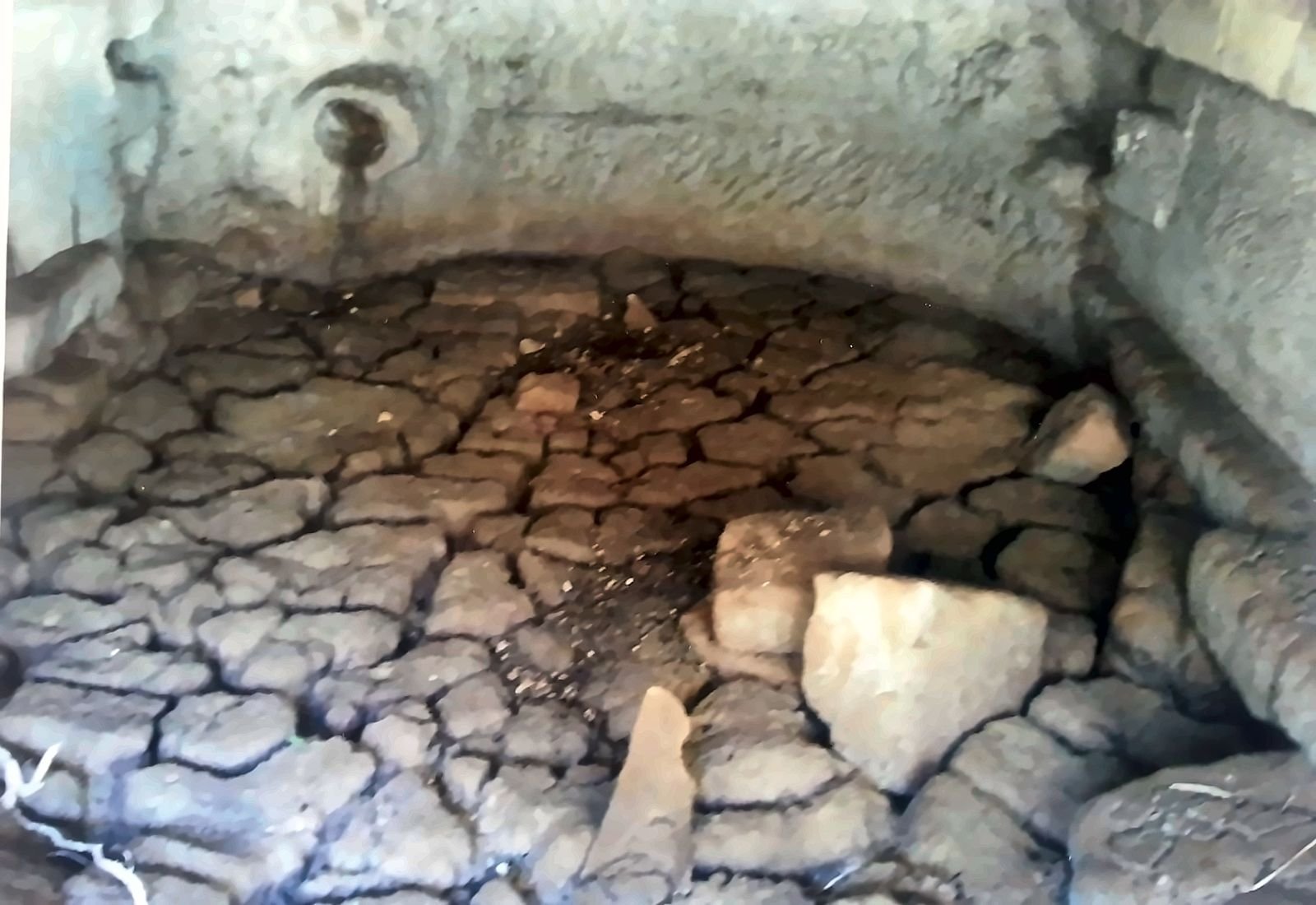
Old photographs show the mill before the work began: the roof half fallen, the windows empty, the walls covered by plants.
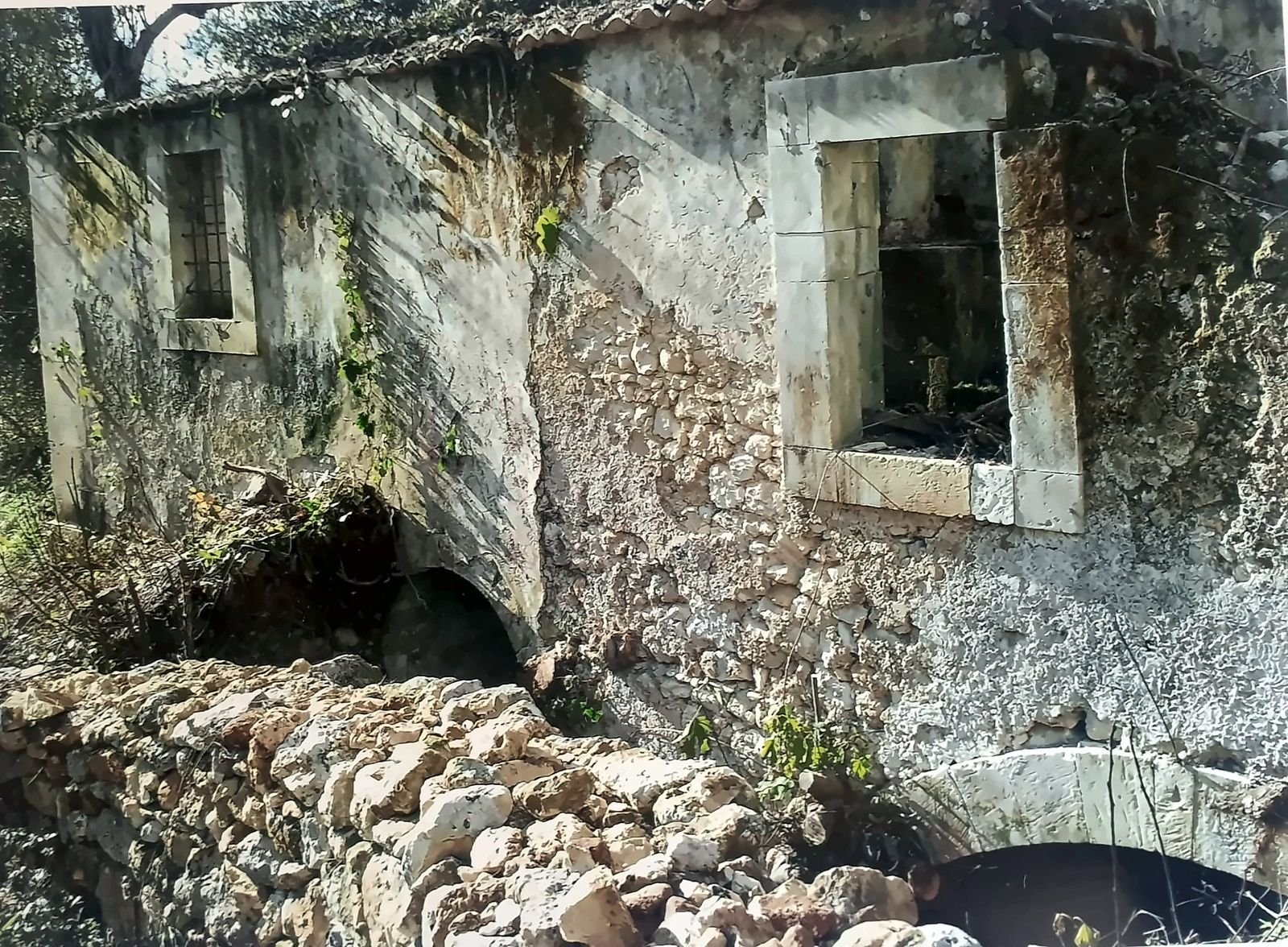
Old photograph of the ruined facade with an empty stone window
THE FACADE
Old photograph of dry cracked earth inside a stone chamber
THE DRY CHAMBER
THE HANDS

Cleared by friends, one wheelbarrow at a time.

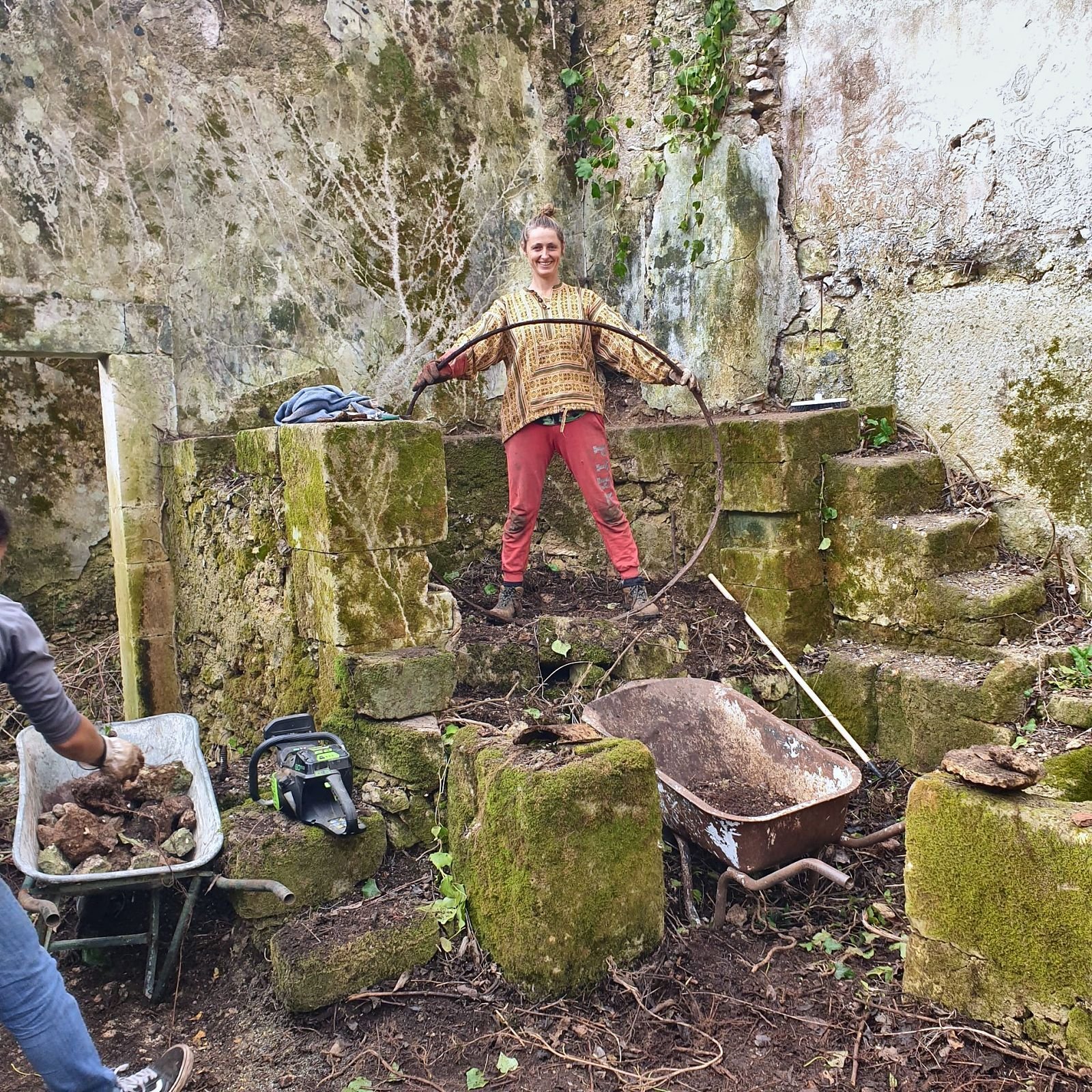
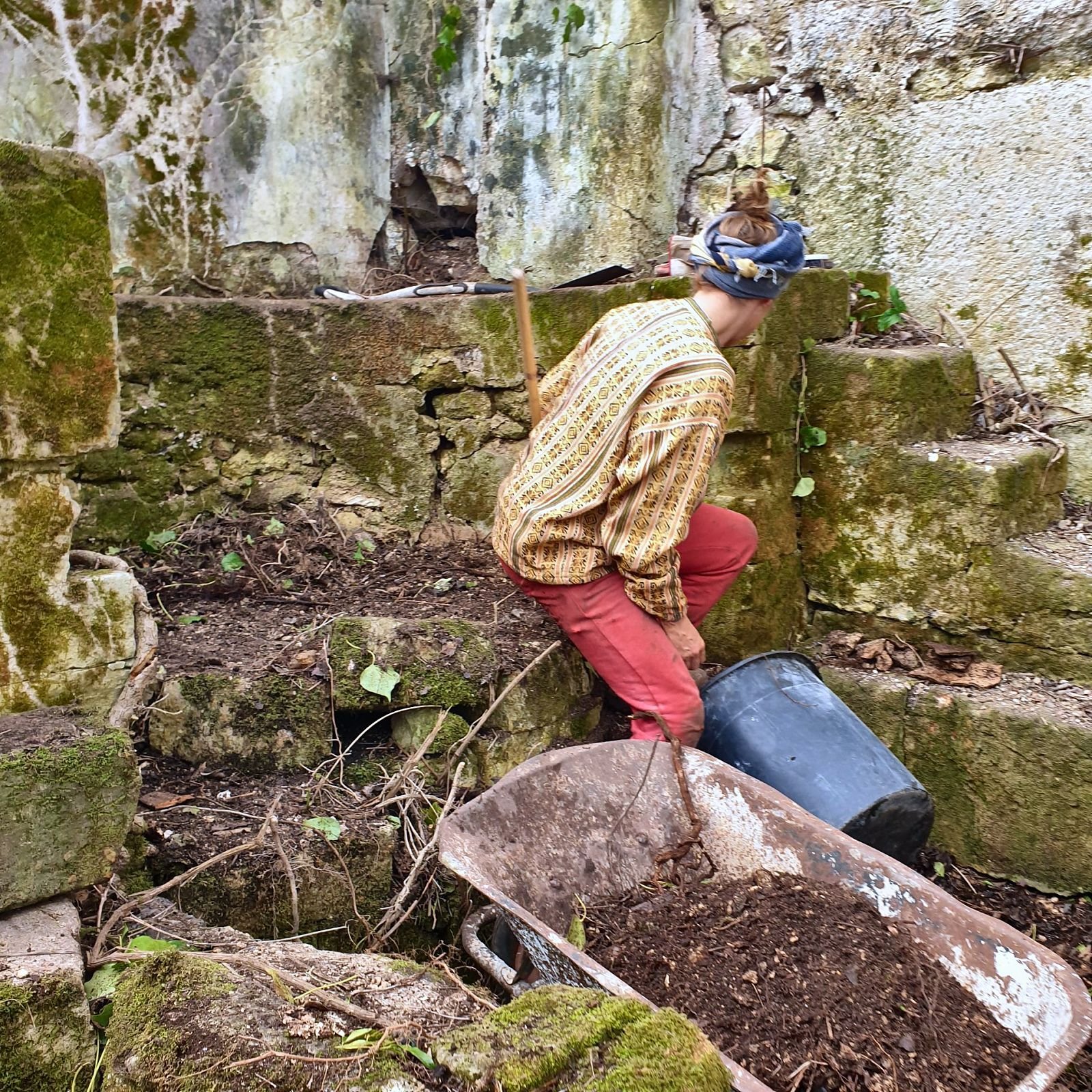
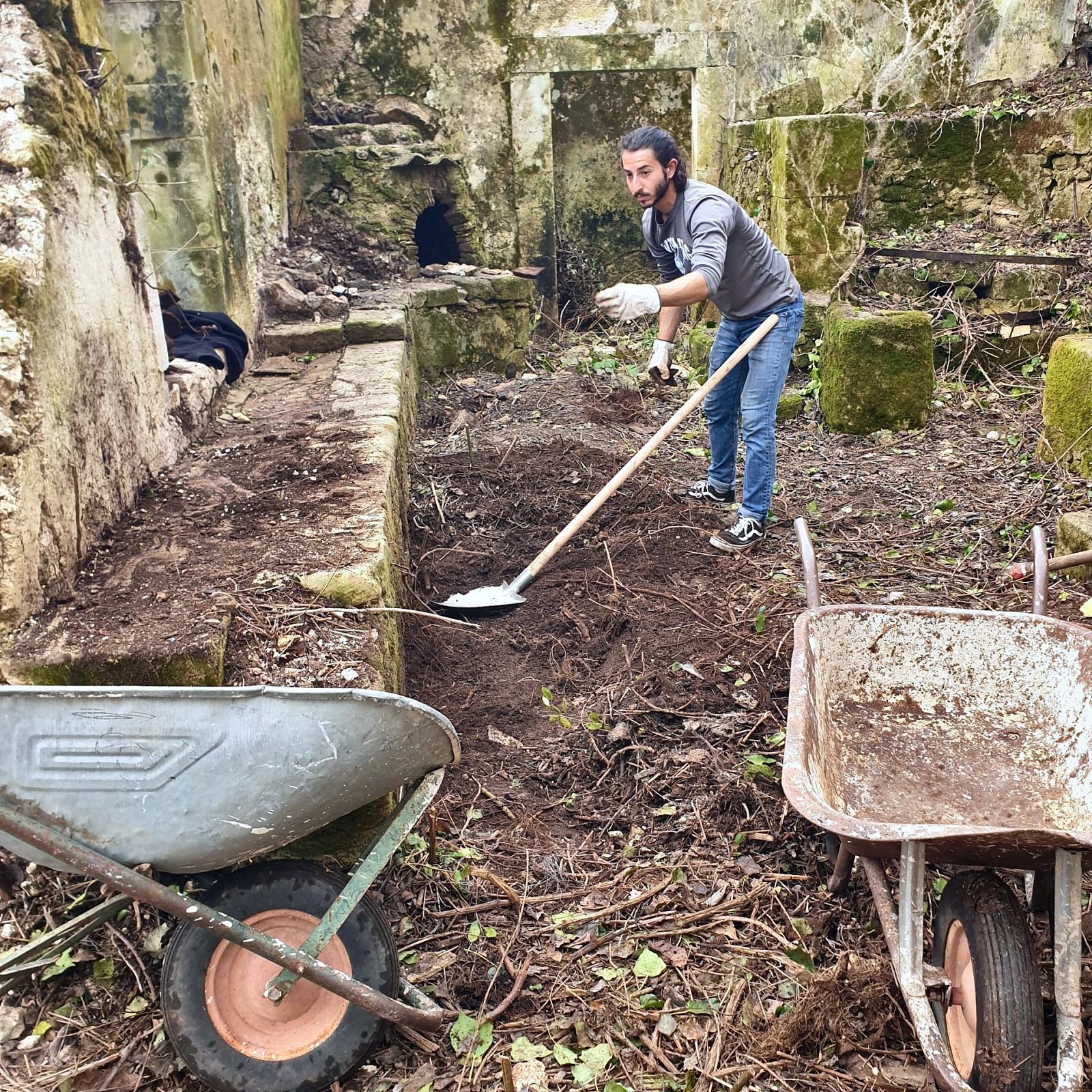
No machines entered the courtyard. Soil, roots and stones were carried out by hand, and the ground gave things back: iron hoops, steps, and the base of a millstone.
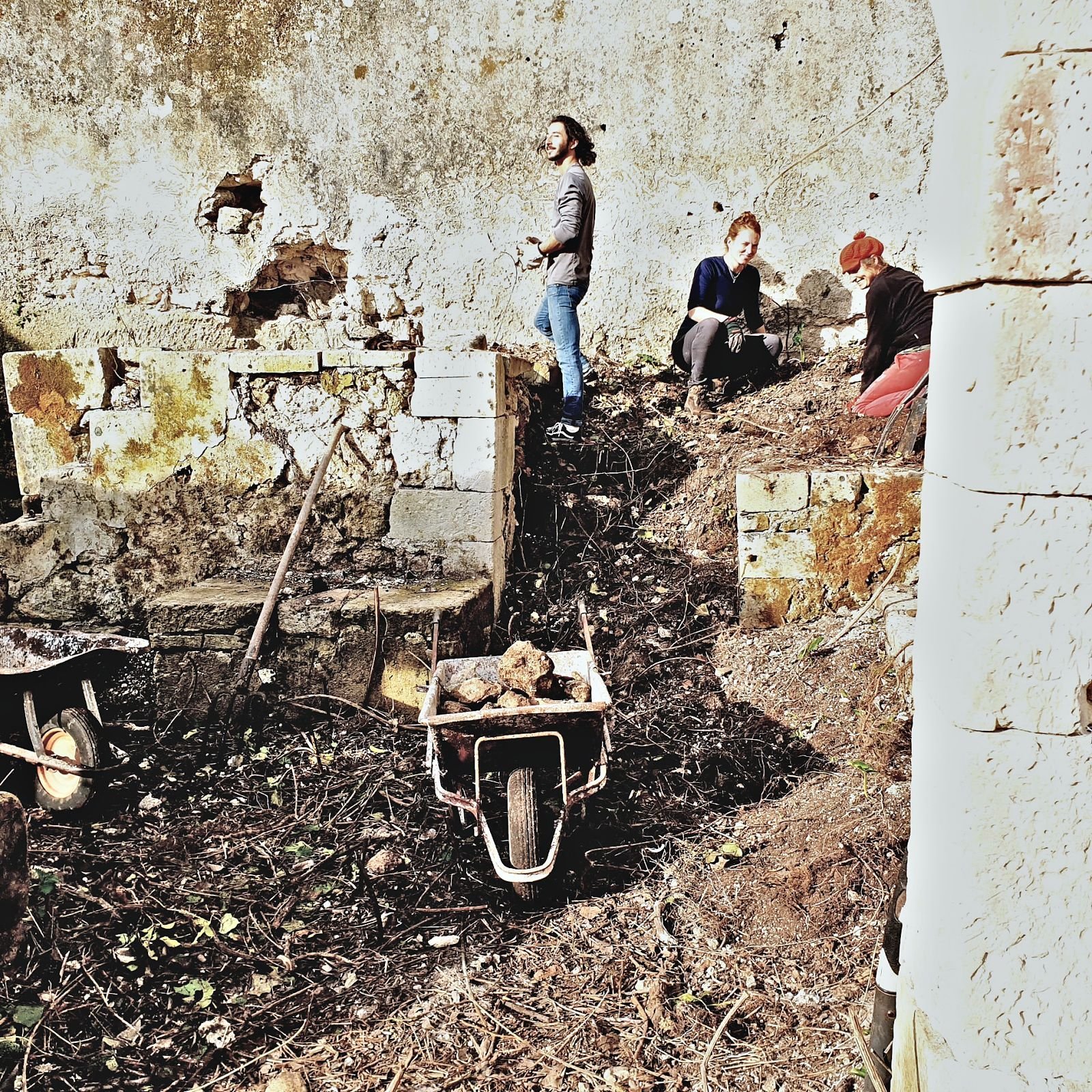
Three people clearing earth in the courtyard beside two wheelbarrows
THE COURTYARD
A man shovelling soil between two wheelbarrows in the ruin
THE SOIL
A smiling woman holds up a large iron hoop found in the ruin
THE IRON HOOP
A woman clearing mossy stone steps with a bucket
THE STEPS
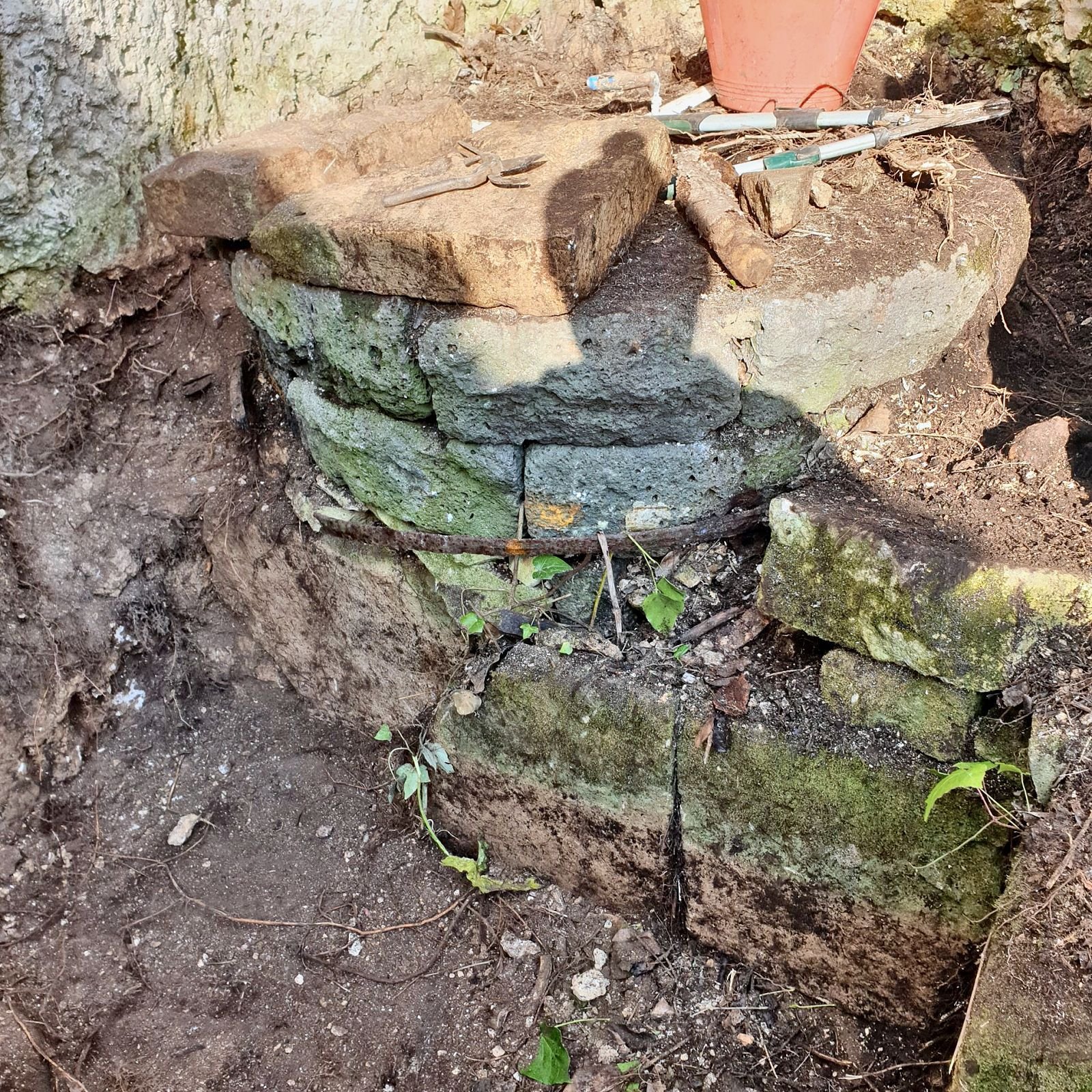
A round stone base half buried in soil and roots, bound by an iron band
THE STONE BASE, AS FOUND
The same round stone base dug out, its courses of stone visible
THE STONE BASE, EXCAVATED
THE DRAWINGS

Measured by hand before a stone was moved.

The survey shows how the mill sits against the rock: the water falls behind the wall, passes under the milling room and leaves through an arch.
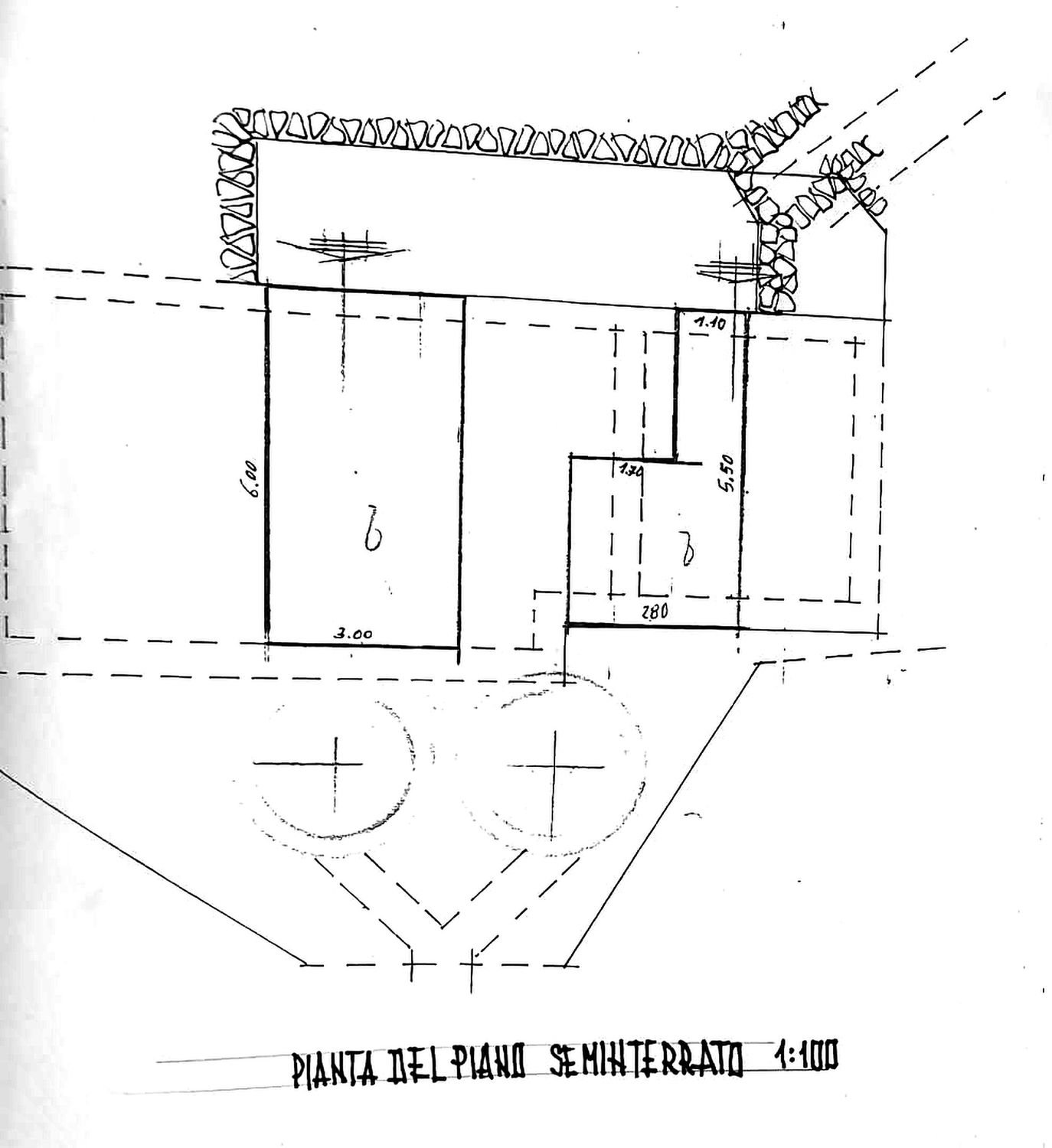
Hand-drawn plan of the basement level with two round basins
PLAN OF THE LOWER LEVEL, 1:100
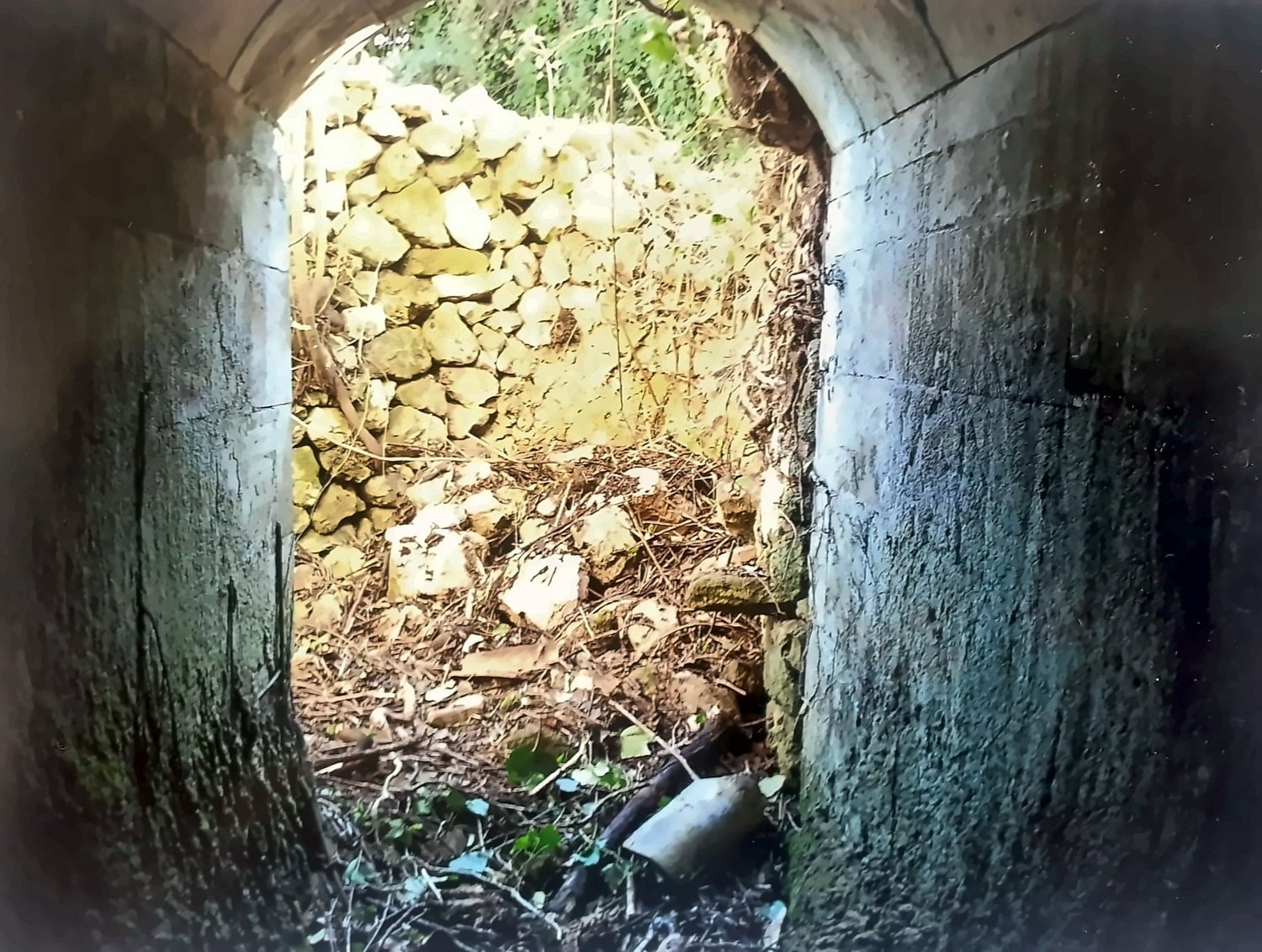
A stone arch where the water left the mill
THE ARCH WHERE THE WATER LEFT
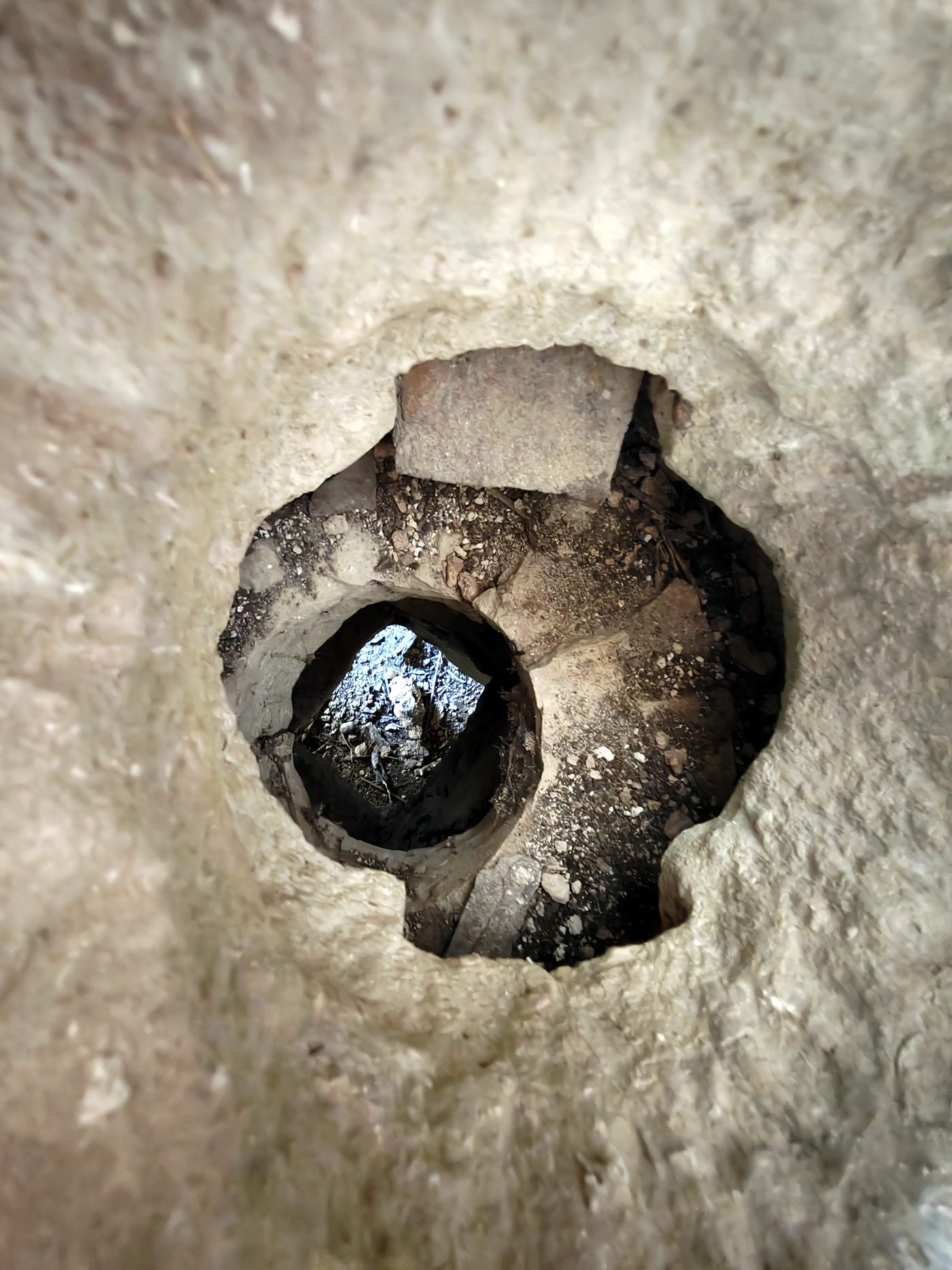
Looking down the central hole of the stone toward the water channel
THE EYE OF THE STONE

Would you like to know more?

CONTACT US SEE THE SUN MILL →